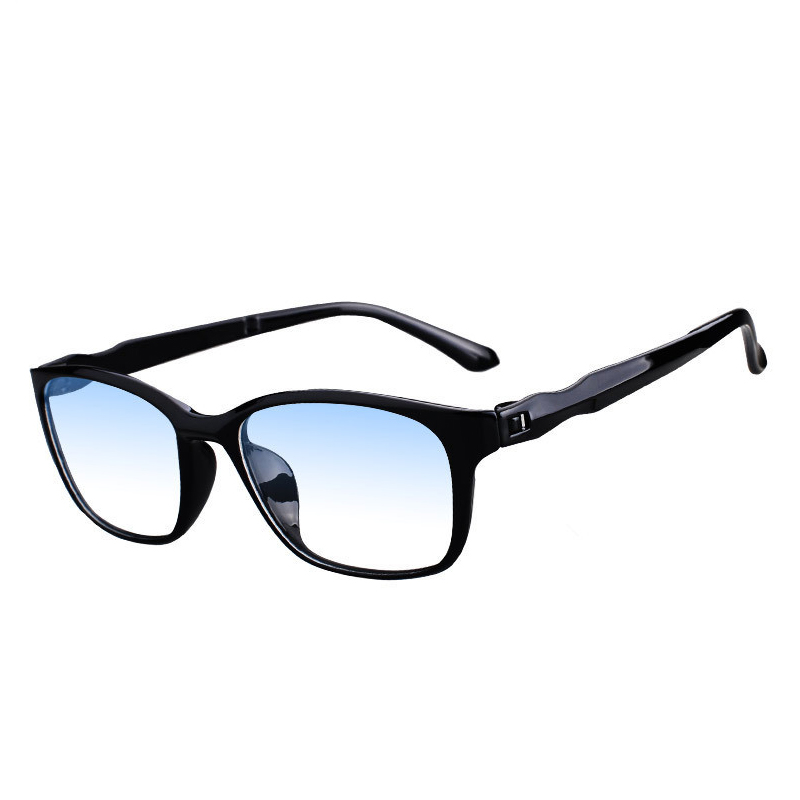
Don't waste your money on eyewear that falls apart within a week. If you need reading glasses for computer use, particularly rimless styles, it's crucial to understand the difference between poor quality and lasting durability. I learned this lesson the hard way. This is a comparison of my disappointing first purchase and my eventual discovery of a quality brand.
Let me be honest. I purchased cheap rimless reading glasses from an unknown online seller and was thoroughly disappointed. At the time, I thought I'd found an incredible bargain. The price was so low it prompted an impulsive purchase—my first mistake.
The moment they arrived, I knew I'd made an error. They were extremely lightweight, but not in a good way. They felt like brittle plastic haphazardly attached to two lenses. When I put them on, the vision was slightly wavy, as if looking through poor-quality glass. My eyes tired more quickly, which completely defeated the purpose of buying new readers.
Attempting to contact their customer service was futile. They were nearly impossible to reach. When I finally received a response, it was confusing and dismissive. I noticed other reviews complaining about the terrible, hard-to-navigate service. Interacting with them made me feel like an inconvenience. I needed guidance to ensure I had the correct lens strength, but they offered no help whatsoever.
After that fiasco, I nearly gave up. I started to believe all affordable rimless reading glasses were just disposable trash. I stopped searching for lightweight frames and reluctantly returned to my old, heavy black plastic readers that left marks on my nose. However, I couldn't ignore my need for real protection. Staring at a screen all day, I required genuine anti-blue light presbyopia glasses. I specifically needed reading glasses for men with anti-blue light properties, designed for presbyopia and computer use, with precise strengths like +1.5 or +2.0. I needed functional features, not just cheap marketing claims.
I began searching for glasses that clearly advertised anti-fatigue properties and provided detailed lens specifications. I decided to stop chasing the lowest price and start prioritizing verifiable quality.
Action Step: If a product listing doesn't explain the lens technology—such as the effectiveness of its anti-blue light coating—assume it's misleading.
When my Mozaer glasses arrived, the contrast was stark. The frame construction felt solid. Even though they are rimless, the temples and bridge had a substantial feel. They didn't seem like they would break simply from being worn. The lenses were the true revelation. The anti-blue light coating actually worked. My eyes felt significantly less strained after hours at the computer.
The entire purchasing process felt supportive. It reminded me of the excellent service stories I'd read—where staff are patient and genuinely helpful, ensuring you leave satisfied. For example, the company provides all product details clearly on their homepage, so you know exactly what materials you're buying and what protection you're getting.
Imagine receiving assistance from someone who truly understands the product. The best shopping experience is smooth, pleasant, and results in a fair price for a frame you love. You can shop there with full confidence, knowing they will take good care of you.
Verdict: Don't just seek the cheapest option; look for sellers who provide clear specifications and offer visible, patient support.